

The Future of Workforce Outsourcing in Kuwait: What HR Leaders Should Prepare for in 2026
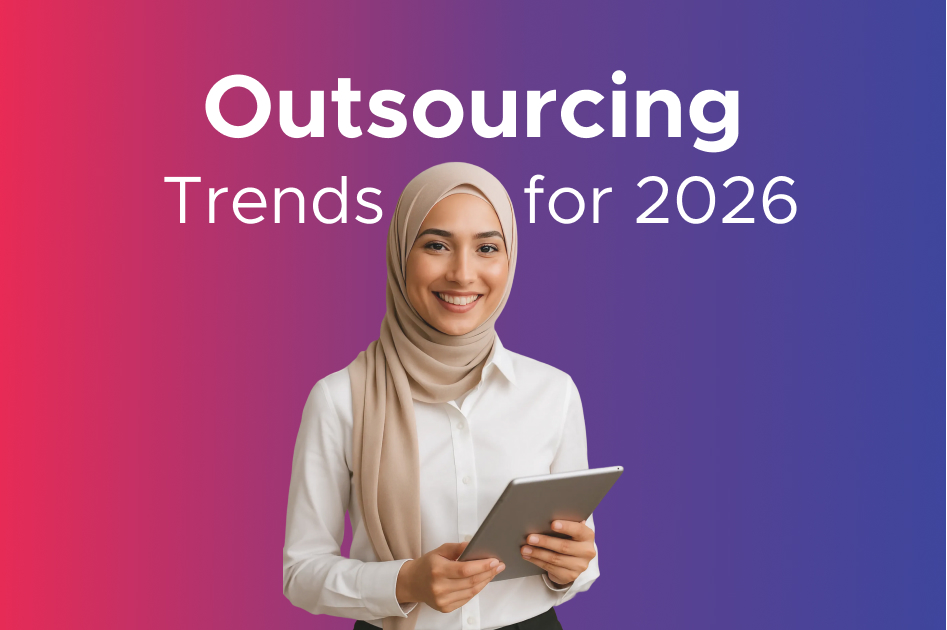
Workforce outsourcing in Kuwait is growing fast as companies look for smarter, more efficient ways to manage people, compliance, and HR operations. With new market pressures and shifting regulations, 2026 will push more organizations toward flexible outsourcing models that reduce effort while improving accuracy.
Here are four trends shaping the future of workforce outsourcing in Kuwait.
1. Flexible Staffing Models Are Becoming the New Normal
Kuwaiti companies are moving away from fixed, long-term hiring structures. Project-based work, seasonal demand, and competition for skilled talent are making flexibility essential.
Outsourcing gives businesses the ability to scale up or down quickly without carrying heavy administrative or compliance responsibilities.
2. HR Departments Want Less Administration and More Strategic Time
Many HR teams are overwhelmed with day-to-day tasks like onboarding, contracts, leave tracking, and government paperwork.
In 2026, more companies will outsource these functions to free up time for strategic priorities, while ensuring all employee processes stay consistent, compliant, and properly documented.
3. Compliance Is Getting More Complex and Outsourcing Reduces Risk
From visa requirements to document renewals and payroll records, compliance in Kuwait demands accuracy and speed.
For many companies, outsourcing to a licensed provider reduces the risk of delays, fines, and administrative errors — especially when managing expatriate employees and government-related procedures.
4. Payroll, Sponsorship, and EOR Services Are Gaining Strong Momentum
As businesses expand and competition increases, more companies are turning to:
- Payroll outsourcing for accurate and confidential salary processing
- Business sponsorship to manage foreign talent with full compliance
- Employer of Record (EOR) services to hire in Kuwait without opening a legal entity
These solutions offer fast hiring, reduced overhead, and full operational compliance making them essential for modern workforce strategies.
Conclusion
The outsourcing landscape in Kuwait is changing quickly. Companies that embrace flexible staffing, reduce administrative load, protect compliance, and leverage specialized services like payroll, sponsorship, and EOR will be far better prepared for 2026 and beyond.


